Unconventional Vertical Gardening Hacks for Tiny Spaces: A Game-Changing Guide

In today's urban environment, where space is at a premium, vertical gardening offers a transformative solution. Imagine bringing nature into your home without sacrificing valuable floor space. This gardening method lets you grow lush plants upwards, making it ideal for small apartments and balconies. In this article, we will explore innovative vertical gardening hacks that will elevate your gardening skills and beautify your living space, even when square footage is limited.
Understanding Vertical Gardening
Vertical gardening isn't just a modern trend; it represents a sustainable way to grow plants. Instead of sprawling outwards, this technique encourages plants to grow upwards, effectively using every inch of available space. Whether you're interested in herbs, flowers, or vegetables, vertical gardening provides functional solutions for overcoming space limitations. By using different structures, you can enhance not just the utility of your space but also its aesthetic appeal. For instance, studies show that people living in green spaces report 30% higher levels of happiness compared to those without.
Choose the Right Structures
Selecting the right structure is essential for a successful vertical garden. Here are a few innovative options to consider:
1. Wall Mounts and Trellises
Wall mounts and trellises are straightforward solutions for vertical gardening. These structures allow climbing plants like cherry tomatoes or cucumber vines to thrive. For example, installing a simple trellis can increase your growing area by up to 60%, turning unused wall space into a garden.
2. Hanging Planters
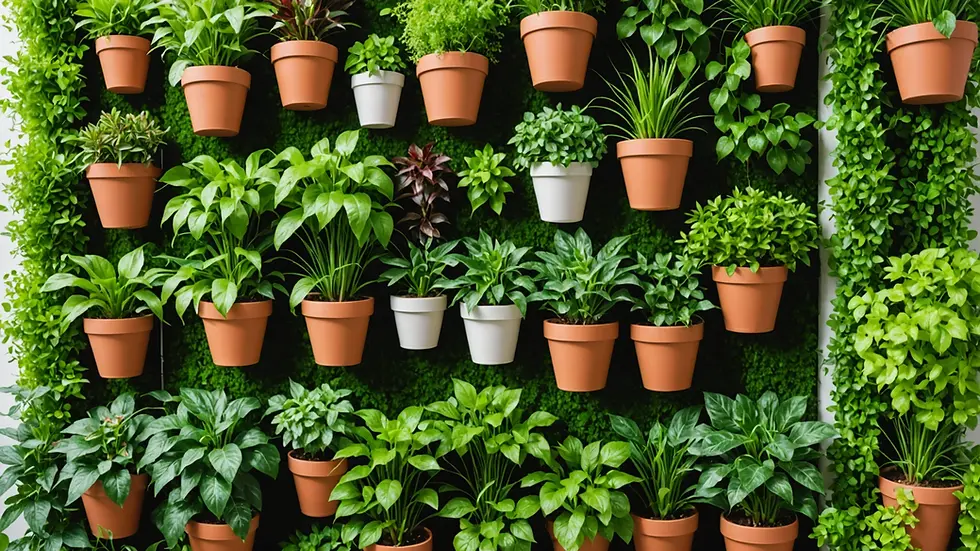
Hanging planters can create a stunning visual effect while saving floor space. You can easily suspend pots filled with trailing vines such as pothos or cascading petunias from the ceiling or hooks. This arrangement not only looks fabulous but can improve air quality indoors by filtering toxins.
3. Vertical Pallet Gardens
Repurposing wooden pallets is a creative and eco-friendly way to garden vertically. Simply mount a pallet against a wall and fill the empty spaces with herbs like chives or colorful annuals such as marigolds. This method not only makes a unique vertical display but can also yield up to 40% more produce than traditional gardening methods in the same footprint.
Selecting the Right Plants
Choosing appropriate plants is critical for a thriving vertical garden. Here are some excellent options:
1. Herbs
Growing herbs like basil, rosemary, and cilantro is ideal for vertical gardens. They are compact and fast-growing, allowing you to enjoy fresh herbs in just weeks. Studies show that homegrown herbs can improve your cooking's flavor profile by up to 50%.
2. Strawberries
Strawberries, especially day-neutral varieties, flourish in small spaces. Using vertical towers or hanging baskets keeps them elevated, preventing rot and pest issues. On average, vertical strawberry growers can produce 30% more fruit than traditional ground planting.
3. Succulents and Cacti
Succulents and cacti are low-maintenance and perfect for vertical gardening. Their unique shapes and vibrant colors add visual interest. For instance, a vertical arrangement of different succulents can offer visual appeal for years with minimal upkeep.
DIY Vertical Gardening Hacks
Engage your creativity with budget-friendly DIY gardening hacks.
1. Bottle Planters
Convert old plastic bottles into hanging planters. Cut holes for drainage and hang them vertically along a fence or wall. These lightweight planters can hold herbs or small flowers while making a creative statement.
2. Shoe Organizers
A simple canvas shoe organizer can be transformed into a vertical garden. Fill each pocket with soil and small plants. Hanging this on a wall or door turns an everyday item into a vibrant vertical display, perfect for herbs or small flowers.
3. Gutter Gardens
Attach old rain gutters vertically to create a long planter perfect for herbs or trailing plants. Be sure to drill drainage holes to keep the roots healthy and prevent water from pooling.
Caring for Your Vertical Garden
Maintaining your vertical garden is as important as setting it up. Here are some essential care tips:
1. Regular Watering
Vertical plants often dry out faster. Consider implementing a drip irrigation system for consistent moisture, or set a regular watering schedule to keep them healthy. A watering routine can improve growth by up to 25%.
2. Fertilizing
Using organic, nutrient-rich fertilizers will help your vertical plants thrive. Look for options that provide a balanced mix of macro and micronutrients; this can lead to a noticeable boost in plant health and productivity.
3. Monitoring for Pests
Inspect your vertical garden regularly for pests. Due to the density of plants, they can be more attractive to insects. Employ organic pest control methods when needed to keep your plants safe and thriving.
Aesthetic Touches for Your Vertical Garden
Transforming your vertical garden into a visual masterpiece requires some thoughtful aesthetic considerations:
1. Color Coordination
Select plants that complement each other in color. Mix vibrant flowers with varying leaf textures to create a beautiful tapestry of color that draws the eye and enhances everyday spaces.
2. Layering Heights
Arrange plants of various heights to bring depth to your garden. Position taller plants like sunflowers at the base and smaller plants above them. This layering adds visual interest and minimizes overcrowding.
3. Incorporate Lighting
Soft lighting can accentuate your vertical garden during the evening. Use outdoor fairy lights or LED spotlights to highlight key plants and create a serene ambiance. This simple step can enhance evening gatherings and make your space even more inviting.
Embrace Vertical Gardening
Vertical gardening in small spaces offers unique opportunities to beautify your living area. With the right structures, careful plant selection, and a bit of creativity, anyone can cultivate a flourishing vertical garden without horizontal limitations. These strategies not only support practical gardening but also contribute to a greener environment and a more tranquil living space. Embrace these gardening hacks, and turn your compact space into a lively green oasis.


Comments