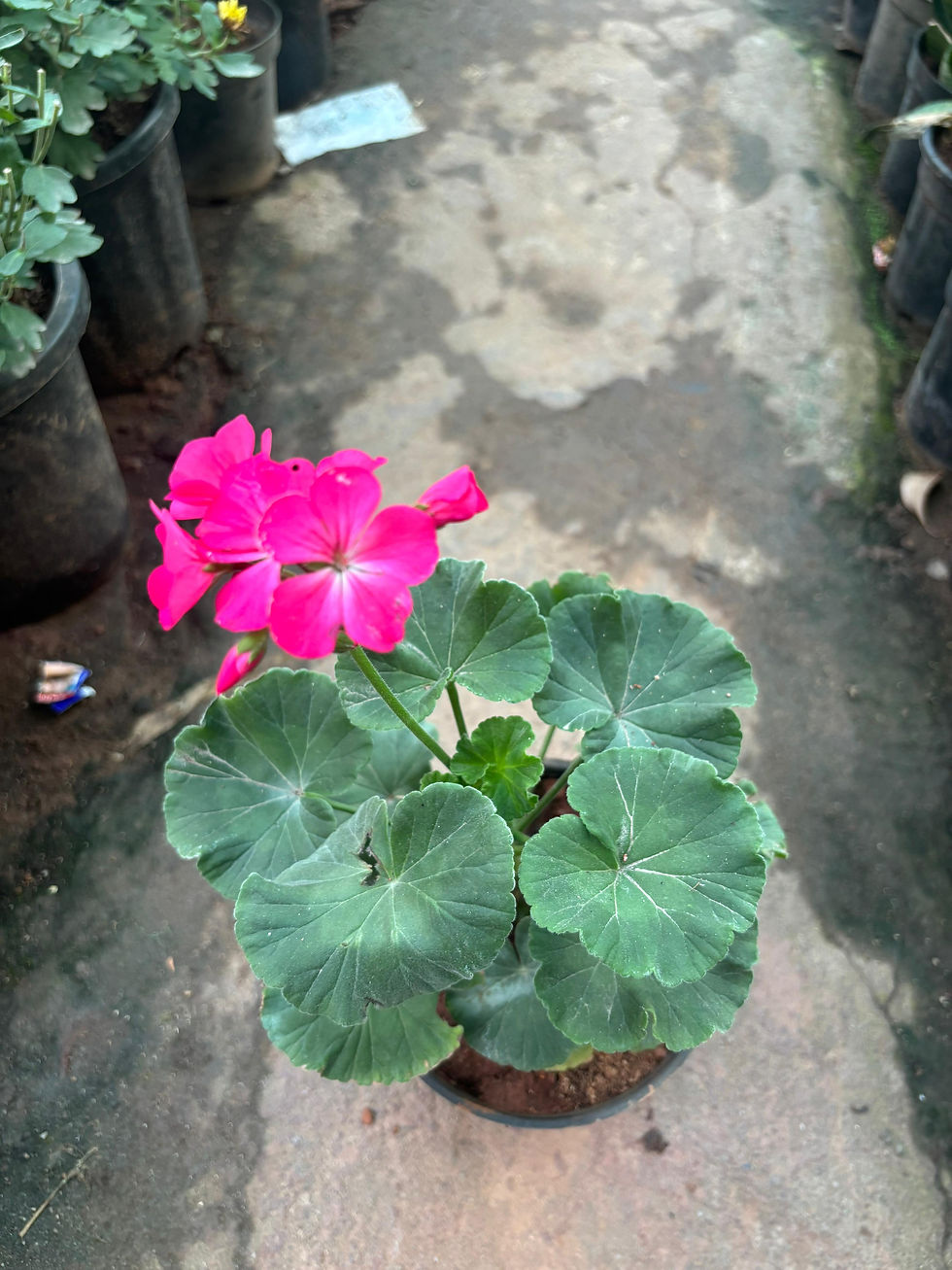
![kalancha [red]](https://static.wixstatic.com/media/b83b6f_06ab13d35fbc426fb163f45db87571a6~mv2.webp/v1/fill/w_500,h_500,al_c,q_80,enc_avif,quality_auto/b83b6f_06ab13d35fbc426fb163f45db87571a6~mv2.webp)
🌸 Kalanchoe (Kalanchoe blossfeldiana)
| Attribute | Details |
| Plant Name | Kalanchoe (Flaming Katy) |
| Benefits | Vibrant, long-lasting clusters of flowers; drought-tolerant; excellent for small spaces. |
| Light Requirement | Bright Indirect Light; needs plenty of light to bloom and keep its compact shape. |
| Plant Size | 6 – 12 inch |
| Pot Size | 4 – 6 inch |
🌱 1. Introduction & Overview
The Kalanchoe (Kalanchoe blossfeldiana) is a cheerful, succulent-like houseplant known for its thick, waxy, deep green leaves and large clusters of tiny, vibrant flowers. These blossoms can last for several weeks, often appearing in shades of red, pink, yellow, orange, or white.
Native to Madagascar, the Kalanchoe has adapted to dry conditions by storing water in its fleshy leaves. This makes it a fantastic, low-maintenance choice for those who love flowers but don't want the fuss of a high-maintenance garden. Its compact size makes it perfect for windowsills, desktops, or as a colorful gift that keeps on giving.
✅ 2. Benefits of Kalanchoe
The Kalanchoe offers several advantages for indoor gardening:
Extended Blooming: Its beautiful flowers are remarkably long-lasting, providing color for months when given proper care.
Succulent Hardiness: Because it stores water in its leaves, it is very drought-tolerant and won't mind if you occasionally forget to water it.
Space-Saving: Its small, compact growth habit makes it ideal for apartments, small offices, or crowded sunny windowsills.
Mood Lifter: The bright, saturated colors of the flowers are proven to add a sense of joy and vitality to any room.
🐶🐱 3. Is Kalanchoe Pet-Friendly?
No, the Kalanchoe is toxic to dogs and cats. It contains cardiac glycosides, which can cause significant gastrointestinal irritation, vomiting, and, in severe cases, abnormal heart rates if ingested in large quantities. Keep this plant well out of reach of your pets, such as on a high shelf or in a room they cannot access. If you have curious pets, consider a Spider Plant instead.
🌞💧 4. Basic Care Requirements
☀️ Lighting:
Kalanchoes are sun-lovers! They thrive in bright, indirect light. A south or west-facing window is usually best. If the plant doesn't get enough light, it will become "leggy" (stretching toward the window) and may fail to bloom again. While they can handle some morning sun, avoid harsh, direct afternoon rays, which can burn their succulent leaves.
💦 Watering:
As a succulent, the Kalanchoe hates being waterlogged. Always allow the top 1–2 inches of soil to dry out completely before watering again. When you do water, soak the soil thoroughly and let the excess drain out of the bottom of the pot. Never leave it sitting in a saucer of water, as this will lead to stem and root rot very quickly.
🌱 Nutrition:
During the growing season (spring and summer), feed with a balanced, liquid houseplant fertilizer diluted to half-strength once every 4–6 weeks. Do not fertilize during the winter when the plant is in its rest period.
🌡️ Temperature:
They prefer comfortable indoor temperatures between 60–75°F (15–24°C). They are very sensitive to cold and should be kept away from drafts, air conditioning vents, and exterior doors that are opened frequently during the winter.
🍃 5. How to Keep Leaves Healthy
Deadheading: Once a cluster of flowers has faded, trim the stem back to the first pair of leaves. This keeps the plant tidy and encourages it to focus energy on new growth.
Wipe the Leaves: Dust can accumulate on the thick, waxy leaves. Wipe them with a damp cloth occasionally so the plant can photosynthesize effectively.
Signs of Trouble: If the leaves start to look puckered or shriveled, the plant is likely too thirsty. If the stems feel mushy at the base, you are watering too often.
🌿 6. Similar Plants
If you enjoy the succulent nature and flowers of the Kalanchoe, you might also like the Christmas Cactus, Hoya, or Sedum.
❓ 7. Common FAQs
How do I make it bloom again? Kalanchoes are "photoperiodic," meaning they need long periods of darkness to initiate new buds. In autumn, keep the plant in total darkness for about 12–14 hours a day for 6 weeks to trigger a new cycle of blooms.
Can it grow outdoors? Yes, in warm climates, it can thrive outdoors as a perennial, but it must be brought inside if there is any risk of frost.
Why are my leaves falling off? Usually a sign of either extreme overwatering or the plant being kept in a room that is too cold.
When should I repot? Only when the plant becomes root-bound, usually once every 2 years, using a well-draining cactus or succulent potting mix.